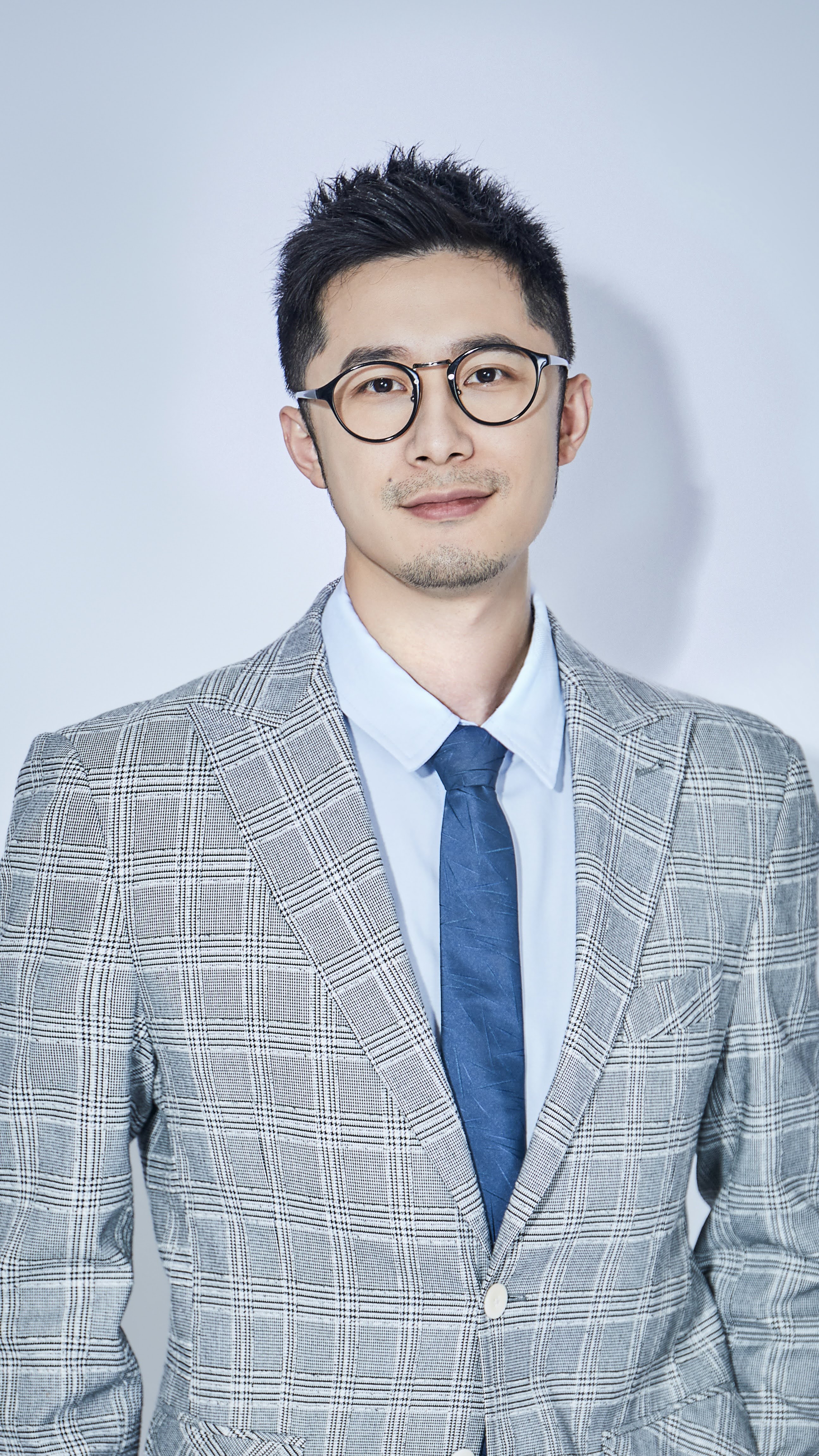
Michael Wu

IT & Digital Transformation Leader
For the last 15 years, I've helped retail and tech companies grow. I know how big companies work, but I've also built my own from scratch. That means I can bring structure to a project without slowing it down.
My passion is to connect technology to business results; I tend to build systems that work. I like turning messy operations into simple processes with clear data that everyone can trust.
Michael Wu

Where I've Worked

Brands

Costa Coffee China

Head of Online Business

Pandora Jewelry China

Retail Training & Private Domain Director

Nike China

Retail Excellence Manager

adidas Group

Retail Training Manager

VF Corp (Vans APAC)

Retail Excellence & Training Lead

My Own Ventures

Yara Info Tech

Co-founder

Practical GenAI for real workflows

Yacen Consulting

Partner

Digital transformation and strategy

xLab Solutions

Co-founder

Experience design and event tech

See full client portfolio

What I'm Good At

Translating business to tech.

I turn company goals into clear plans that engineers can build and store teams can use.

Leading people.

I've built and led all sorts of teams (ops, content, trainers). I'm good at getting everyone, from executives to the frontline, aimed at the same target.

Getting departments to work together.

I run projects that connect ops, digital, marketing, and IT to make sure our plans actually happen.

Understanding technology.

I spend an hour every day learning something new. I'm not an engineer, but I know how systems work and can speak the language.

Using AI that helps.

I focus on AI that solves real problems—saving time, cutting costs, or improving quality. No demos, just results.

How I Work

01

Fix the foundation before you scale.

02

Get the data right, then move fast.

03

Keep a weekly rhythm of making decisions and showing progress.

How IT Can Help the Business

01

Keep it stable.

Keep the systems running. Uptime is everything.

02

Make it fast.

Automate repetitive tasks to save time and money.

03

Drive sales.

Use tools like CRM to run campaigns that work.

04

Build trust.

Create one source of data so everyone works from the same numbers.

My Gaps & Mitigation

Gap

I don't have a pure IT engineering background.

Mitigation

I've built my career on translating business needs into technology execution—partnering with specialists while staying close to delivery. My strength is leadership, communication, and making complex tech practical.

Gap

I haven't led a full IT org yet.

Mitigation

I've already worked cross-functionally with IT at scale, driving stability and platform improvements, and I'm ready to lead by combining commercial and technical priorities.

Gap

Building trust as a new leader in IT.

Mitigation

I know trust isn't automatic. I build it through transparency, consistent follow-through, and making wins visible across teams. I focus on shared goals, clear communication, and empowering experts to lead where they shine.

Gap

I'm not a career technologist.

Mitigation

I'm a fast learner with a disciplined daily habit of upskilling on tech. I know how systems work at the core level and can bridge tech and business fluently.

IT China Analysis - Preliminary

Current gaps and improvement strategies

Gap
Description
How to Improve

Legacy & instability

Systems aren't stable or modern enough to support future growth

Prioritize reliability, MTTR discipline, phased modernization

Siloed data

No single source of truth

Build real-time integrated data pipeline

Weak business alignment

Tech is treated as cost center

Turn IT into an enabler with P&L ownership mindset

Limited agility

Slow delivery cycles

Introduce clear cadence, smaller and safer release windows, and governance

AI explorations

No clear roadmap for AI use cases

Build structured AI experimentation, prioritize practical pilots, and tie results directly to business impact

Communication transparency

Internal clients, global and local IT teams need to be on the same page of way of working

Build shared ways of working, regular alignment cadences, and transparent communication loops

First-Year Priorities

My plan for the first year is simple: stabilize, align, and enable.

01

Stabilize

First, we'll stabilize

That means getting our core systems running smoothly, cutting costs where it makes sense, and establishing a predictable rhythm for the team. We'll build trust through quick, visible wins.

02

Align

Next, we'll align

I'll work with global and local teams to figure out our shared playbook. We'll create a clear roadmap so business and IT priorities are the same, and everyone knows what we're doing and why.

Core Priority: Align on way of working with global teams — Clearly define what's global compliance and rules, and where local flexibility can apply. This ensures alignment, clarity, and smoother execution across functions.

03

Enable

Finally, we'll enable

With a stable foundation, we can start driving real business impact. We'll build a central data source for better decisions, automate manual work, and run one or two practical AI pilots that deliver measurable value.

I'm not here to just run an IT department.
I'm here to build an engine that drives the business forward.

Trusted by Leading Brands

Client Logo
Client Logo
Client Logo
Client Logo
Client Logo
Client Logo
Client Logo
Client Logo
Client Logo
Client Logo
Client Logo
Client Logo
Client Logo
Client Logo
Client Logo
Client Logo
Client Logo
Client Logo
Client Logo
Client Logo
Client Logo
Client Logo
Client Logo
Client Logo
Client Logo
Client Logo
Client Logo
Client Logo
Client Logo
Client Logo
Client Logo
Client Logo